
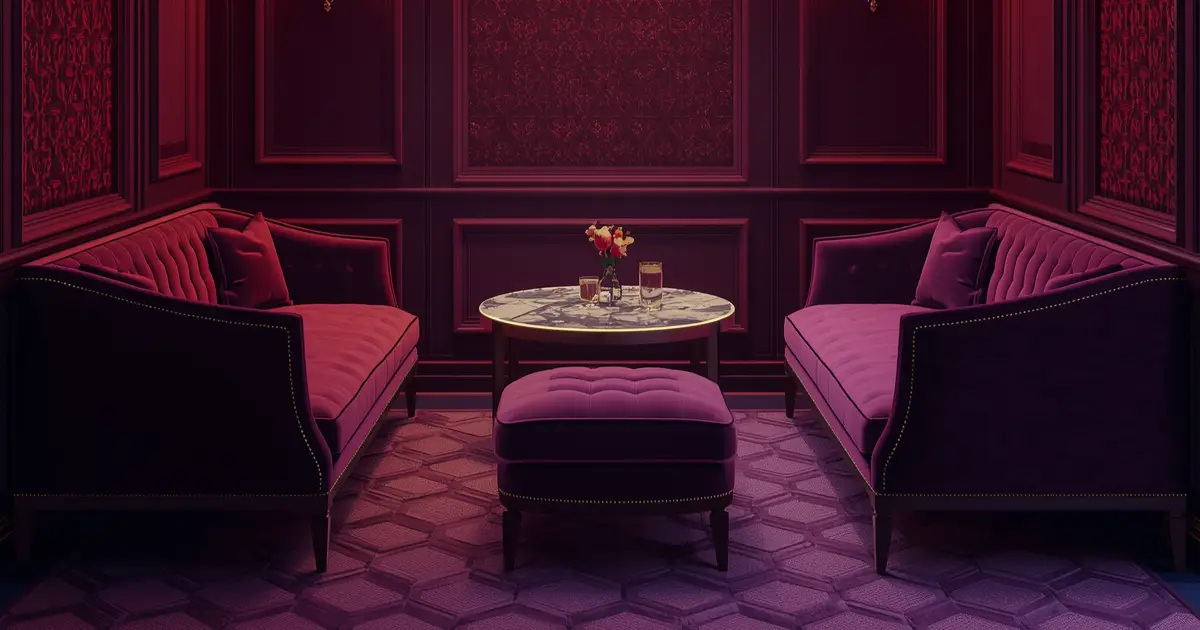
One of the biggest misconceptions in interior design is that luxury requires a large home.
It doesn’t.
Some of the most breathtaking spaces I’ve ever designed weren’t sprawling estates or penthouse apartments. They were thoughtfully planned rooms where every detail had a purpose.
In fact, designing a smaller room often requires more creativity than designing a large one.
When every inch matters, every decision matters.
Furniture has to work harder.
Storage has to disappear.
Lighting has to create the illusion of openness.
And the room has to adapt to the people who live there.
That’s where great design shines.
Whether you own a cozy bungalow in Dilworth, a modern Uptown Charlotte condo, a South End loft, or a townhome in Ballantyne, you don’t need more square footage to create an extraordinary home.
You simply need a better plan.
Stop Thinking Small
The first transformation isn’t physical.
It’s mental.
Many homeowners look at a smaller room and immediately focus on its limitations.
Designers see opportunities.
An unused guest room can become a peaceful reading lounge.
A spare bedroom can function as a home office by day and a welcoming retreat by night.
A loft can provide space for entertaining, working, and relaxing without feeling crowded.
Luxury begins when every room has a clear purpose.
Design Around Your Lifestyle
Before buying furniture or choosing paint colors, ask yourself one question:
How do I want this room to serve me?
Should it be a quiet retreat?
A creative workspace?
A cozy media room?
A place to entertain?
A flexible guest room?
Once the room has a primary purpose, every design decision becomes easier.
The most successful multi-purpose rooms don’t try to do everything.
They do a few things exceptionally well.
Furniture Should Earn Its Place
In smaller spaces, every piece of furniture should justify its footprint.
Look for pieces that offer more than one function.
Storage ottomans.
Lift-top coffee tables.
Console tables that expand for dining.
Built-in benches with hidden storage.
Murphy beds.
Sectionals with integrated storage.
The goal isn’t simply saving space.
It’s creating flexibility.
When furniture performs multiple jobs, your room immediately becomes more functional.
Create Zones Without Building Walls
Open-concept living is popular, but it can make a room feel undefined.
Instead of adding walls, create visual zones.
An area rug defines a seating space.
A bookcase separates a reading corner.
Pendant lighting anchors a dining area.
Accent chairs create conversation spaces.
These subtle transitions help one room perform several functions while maintaining a cohesive design.
Vertical Space Is Your Best Friend
Many homeowners focus only on floor space.
Professional designers always look up.
Tall built-ins.
Floor-to-ceiling drapery.
Floating shelves.
Oversized artwork.
Statement lighting.
These vertical elements draw the eye upward, making ceilings appear higher and rooms feel larger.
It’s one of the oldest tricks in interior design—and one of the most effective.
Choose Fewer, Larger Pieces
This advice surprises many homeowners.
Small rooms don’t necessarily need tiny furniture.
Too many small pieces create visual clutter.
Instead, choose fewer, well-proportioned furnishings.
A beautifully scaled sofa.
One substantial coffee table.
An oversized mirror.
A statement chair.
Clean layouts create calm.
Calm creates luxury.
Light Colors Aren’t the Only Answer
You’ve probably heard that every small room should be painted white.
That’s not always true.
Soft creams, warm taupes, muted greens, smoky blues, and rich charcoal tones can make smaller rooms feel intimate and sophisticated.
Color isn’t the enemy.
Poor lighting is.
Pair deeper paint colors with layered lighting, reflective surfaces, and thoughtful furnishings, and your room will feel elegant rather than confined.
Mirrors Create More Than Reflection
Mirrors remain one of the most effective ways to visually expand a room.
But placement matters.
Position mirrors to reflect natural light.
Highlight beautiful architectural details.
Create the illusion of additional depth.
Avoid placing mirrors where they’ll simply reflect clutter.
Used intentionally, mirrors become architectural features rather than accessories.
Storage Should Be Invisible
Luxury homes rarely feel cluttered.
That’s because great storage has been thoughtfully integrated into the design.
Built-in cabinetry.
Floating consoles.
Custom closets.
Hidden drawers.
Decorative baskets.
Storage benches.
Beautiful organization creates visual peace.
And visual peace always feels luxurious.
Let Natural Light Take Center Stage
Nothing makes a room feel larger than sunlight.
Avoid blocking windows with heavy furniture.
Use layered window treatments that maximize daylight while maintaining privacy.
Sheer drapery softens harsh light without eliminating it.
Natural light makes every material feel richer.
Wood becomes warmer.
Stone appears more dramatic.
Fabrics reveal their texture.
The room comes alive.
Add Personality, Not Clutter
Luxury interiors are personal.
They aren’t crowded.
Choose artwork you genuinely love.
Display meaningful objects.
Curate books that reflect your interests.
Include fresh flowers or greenery.
Every item should contribute to the story your home tells.
Editing is just as important as decorating.
Three Designer Tips for Maximizing Small Spaces
1. Measure Everything
Never guess.
Measure the room.
Measure the furniture.
Measure doorways.
Good design starts with accurate dimensions.
2. Think in Layers
Don’t rely on one design element.
Combine lighting, texture, artwork, furniture, and accessories to create richness without overcrowding.
Layering creates depth.
3. Leave Space Empty
Not every wall needs artwork.
Not every corner needs furniture.
Negative space allows beautiful pieces to breathe.
Sometimes the most luxurious decision is choosing not to add something.
Designing Smaller Homes in Charlotte
Charlotte’s housing market includes everything from charming historic cottages to contemporary condos and stylish townhomes.
Smaller homes throughout neighborhoods like NoDa, Plaza Midwood, South End, Elizabeth, and Uptown offer incredible opportunities for intentional design.
Thoughtful space planning, custom storage solutions, layered lighting, and carefully selected furnishings can dramatically improve both function and appearance without increasing square footage.
Exceptional design isn’t determined by the size of your home.
It’s determined by how thoughtfully every inch is used.
Luxury Is About Living Well
I’ve often told clients that luxury has very little to do with excess.
Luxury is waking up in a room that feels peaceful.
Hosting friends comfortably, regardless of the room’s size.
Having a place for everything.
Walking into your home and immediately feeling at ease.
Those experiences don’t require more space.
They require better design.
The most successful interiors aren’t measured in square feet.
They’re measured in how beautifully they support everyday life.
Continue Exploring Our Design Journal
Ready for more inspiration?
Continue reading:
- How to Create a Luxury Private Retreat in Your Home
- The Art of Designing Spaces That Encourage Connection
- Luxury Lighting Ideas for Romantic Interiors
- Choosing Designer Furniture for Private Retreat Spaces
Each article explores another element of creating sophisticated interiors designed around beauty, comfort, and intentional living.
Ready to Make Every Square Foot Count?
Whether you’re transforming a guest room, redesigning a condominium, or creating a flexible living space for your growing needs, thoughtful design can unlock possibilities you may not have considered.
Browse our Gallery for inspiration, learn more about our Services, explore additional ideas on our Blog, or contact us to begin your design journey.
At Pleasure Playroom™, we believe every room—regardless of size—has the potential to become something extraordinary.
Because exceptional design isn’t about having more.
It’s about making the most of what you have.
Where Desire Meets Design™